


Autumn Nutrition: Seasonal Foods, Performance Boosts And Hydrating Adequately

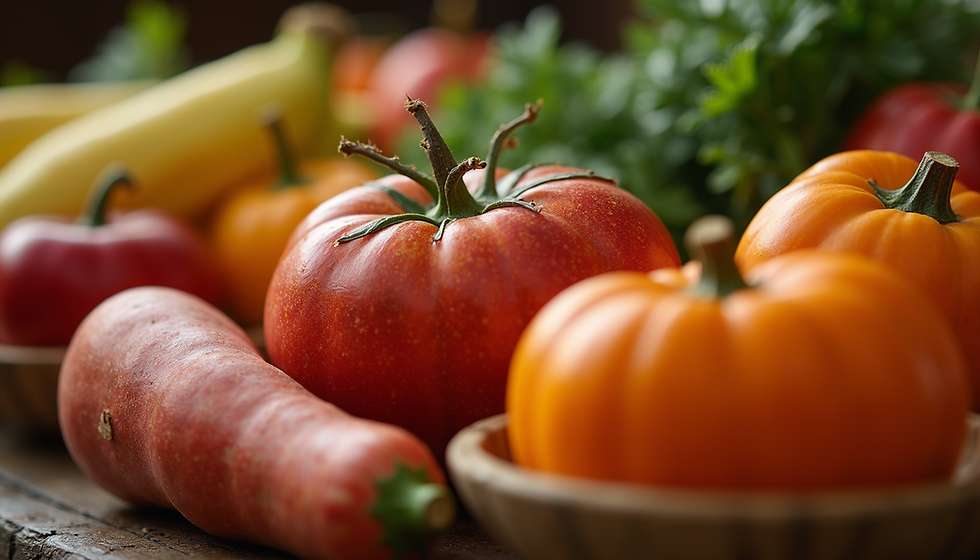
With a little planning, autumn nutrition can make every day life, training & performance feel better powered and recovery more reliable.
Chilly mornings, afternoons & evenings becoming darker earlier, and weather affected environments can alter how the body feels in sports. A workout that seemed effortless during the summer months might become harder work as Autumn begins to move in, not due to a loss of fitness, but because the requirements for fuelling, hydration, and recovery have changed.
Daylight drops, routines change and comfort foods become more tempting after late sessions or ones which now end after the sun has set much earlier in the day.
Autumn Nutrition works best when it is seasonal, practical and repeatable. Seasonal produce during Autumn is ideal for athletes because it often combines slow-release carbohydrates, fibre, a mixture of coloured foods and minerals. It also lends itself to batch cooking, which helps when you have a busy week.
💥Eat meals containing root vegetables which are great for helping to refill your energy tank.
Sweet potatoes, carrots, parsnips, beetroot and squash are useful carbohydrate sources. They are easy to roast in trays, make into soups or create a veg mash.
Oats, barley and wholegrains give steady fuel
Cooler mornings are perfect for introducing porridge, overnight oats and warm grain bowls. Oats provide carbohydrate, fibre and some protein. They are also great for to adapting to suit the time of day you are going to be consuming them
Before morning exercise, why not try:
Porridge with banana and honey
Overnight oats with yoghurt and berries
Toast with peanut butter and sliced apple
Post workout, add more protein and energy:
Oats with Greek yoghurt, milk, nuts and pear
Porridge with a protein powder or protein yoghurt stirred in after cooking
Muesli with yoghurt, seeds and stewed apple
Barley, brown rice, wholemeal pasta and quinoa can all help build filling meals for lunch and dinner. The key is portion size. On heavy training days, the carbohydrate serving needs to be generous. On lighter days, vegetables and protein can take more space on the plate.

🍏🍐During autumn, when coughs and colds tend to become more common, making sure you include regular fruit and veg in your diet will help to support your normal immune function, however, It does not guarantee avoiding all illness, it just helps give your body the basic materials it needs to build up your immune system.
💙Vitamins and Minerals💚
Maintaining a balanced diet is important 365 days of the year but when it gets to the time of year when generally more time is spent indoors & there's less sunlight , our food habits & choices can be affected.
When the Autumn months move in, one of the main things that changes is the fact the strength of the sun is no longer strong enough for most people to make enough Vitamin D for their daily needs.
Although you can get some Vitamin D from foods such as oily fish, egg yolk & certain foods which have been fortified, trying to get enough from your diet alone is often not enough so it is recommended that a daily supplement is taken during the Autumn & Winter months.
Iron helps oxygen transport
Iron supports the production of haemoglobin, which carries oxygen in the blood. Having low iron levels can affect energy, endurance ability and your ability to recover properly after exercise. This is especially relevant for anyone taking part in endurance type activity, vegetarian or vegans, and those with heavy menstrual cycles.
Food sources to get Iron into your diet include:
Red meat and poultry
Sardines and other fish
Beans, lentils and chickpeas
Tofu and tempeh
Fortified cereals
Pumpkin seeds and sesame seeds
Dark leafy greens
Plant-based iron is absorbed less easily than iron from meat. Pairing it with vitamin C can help. Lentil soup with peppers, beans with tomatoes, or spinach with citrus dressing are simple examples.
Magnesium, calcium and zinc support the basics
Magnesium plays roles in muscle and nerve function. Calcium supports bones and muscle contraction. Zinc supports normal immune function and tissue repair.
Autumn foods to help provide you with a range of vitamins & minerals you need include:
Nutrient | Why it is needed | Autumn sources |
Vitamin C | Supports immune function and helps iron absorption | Apples, berries, peppers, broccoli, potatoes |
Vitamin D | Supports bones, muscles and immunity | Oily fish, eggs, fortified foods, supplements where appropriate |
Iron | Helps oxygen transport | Lean meat, beans, lentils, tofu, fortified cereals |
Calcium | Supports bone health and muscle function | Milk, yoghurt, cheese, fortified plant drinks, kale |
Magnesium | Supports muscle and nerve function | Oats, nuts, seeds, wholegrains, dark chocolate |
Zinc | Supports immunity and repair | Meat, shellfish, beans, seeds, dairy |
🧃🥤Hydration still matters in the cooler months

Many people will drink well in the warmer summer months because thirst is more obvious. Autumn can be trickier. Cooler air can dull thirst, yet sweat losses still happen under waterproof jackets, indoor heating and intensity exercise.
Hydration is so important because it affects blood volume, your temperature control, even concentration levels and perceived effort when taking part in physical activity.
Stay hydrated
A simple check to see how well you are hydrated is urine colour. Pale straw is a useful sign for many people. Very dark urine can suggest more fluid is needed, although supplements and certain foods can alter urine colour too.
Drink regularly throughout the day rather than trying to catch up once you feel really thirsty
Include fluids with meals/snacks during the day
Avoid starting any physical activity when feeling thirsty as this means there's some level of dehydration before you even start
Match drinks & type of fluid to your environment & activity levels

Not every workout requires a sports drink to be consumed. The right choice of liquid depends on length & intensity as well as environmental factors
Session type | Useful drink approach |
Easy session under an hour | Water is usually enough |
Hard session around an hour | Water plus a carbohydrate snack before or after may work well |
Long endurance session | Water with carbohydrate and electrolytes can support energy and fluid balance |
Indoor high-sweat session | Fluids with electrolytes may be useful |
Cold outdoor session | Warm drinks before and after can help comfort and intake |
If you're someone who struggles to drink enough in colder months, warm squash, herbal teas, hot milk drinks and soup all count towards contributing to daily fluid intake. Just be mindful of consuming too many caffeinated options & ones with high sugar content
Small habits that make the biggest difference
Autumn nutrition- Small habits- Improved nutritional consistency
Always have oats, rice, pasta, lentils, beans and tinned fish on your shopping list to keep in the cupboard
Roast a tray of root vegetables twice a week & keep in the fridge/freeze until needed
Add a source of protein to every main meal
Pair up plant-based iron foods with vitamin C food sources
Keep a reusable bottle/flask with you / visible throughout the day
Use soup as both a source of fluid and a meal option
Plan recovery snacks & meals before workouts
Keep an eye on vitamin D intake as sunlight intensity drops over the next few months & look at supplement options
Keep healthy snacks available for grabbing quickly on the go
Adjust portions sizes to daily activity levels & workout intensities
Autumn foods offer warming carbohydrates, a rainbow selection of fruits and vegetables, mineral-rich pulses, nourishing soup options and easy batch-cooked meals, so enjoy what this season has to offer for creating nutritious, healthy & delicious meals & fuel for your body!


Comments